How to Control Bees Safely Without Hurting the Hive in Hamilton
If you need pest control Hamilton services for bees, the goal should be gentle bee removal, not elimination. In Hamilton, ON, the best results usually come from thorough inspection, accurate identification, and non-lethal methods that preserve both your property and local pollinators. Whether the issue is a swarm on a fence, a bee hive tucked into a soffit, or recurring bee activity around a backyard shed, safe control means managing property risk with colony protection and hive preservation.
Hamilton’s mix of older brick homes, infill housing, heritage properties, downtown storefronts, and suburban homes near parks or ravines creates many hidden entry points for bees. Add the influence of the Niagara Escarpment, Lake Ontario, and abundant urban gardens, and it’s easy to see why bee encounters are common across the city. The safest approach is usually a professional assessment that leads to live removal, bee relocation, and smart exclusion methods to prevent re-infestation.
Can I get rid of bees on my own in Hamilton?
At times, but only in highly restricted situations. Before attempting any DIY method, start with proper bee species identification. Not every flying insect is a bee, and not every bee issue is safe to handle on your own. Honey bees may collect in a swarm while searching for a new home, while bumble bees often nest in small underground or sheltered places. Worker bees may be visible at the entrance, but the nest itself could be inside a wall void or attic.
If the bees are docile, exposed, and clearly in a temporary swarm location, a trained beekeeper may be able to provide help. However, if the nest is inside a wall, ceiling, or chimney, DIY removal can damage the structure and stress the colony. In Hamilton’s older brick homes and heritage properties, hidden cavities are common, and disturbing them without the right tools can cause a bigger problem. That is especially true if the issue is a structural infestation rather than a simple swarm.
For safe pest management, avoid guessing. Bees and other stinging insects behave differently, and the right response depends on accurate identification, the nest location, and how active the colony is.
How do I tell bees from wasps or hornets?
Accurate identification matters because a bee nest requires a different approach from a wasp nest or the paper nest of a hornet. Bees tend to be rounder and hairier, and many are valuable pollinators. By contrast, wasps, hornets, and yellow jackets often have slimmer bodies, smoother surfaces, and more aggressive defensive behaviour near the nest.
A bee nest may appear as constant movement in and out of a https://www.google.com/search?kgmid=/g/11mwz2m6mr&uact=5#lpqa=d,2 single entrance, often with foragers returning with pollen. A wasp nest can look like a papery structure under eaves, in shrubs, or in attics. Hornets often build enclosed aerial nests, while yellow jackets may nest in wall voids, ground cavities, or utility spaces. If you see insects repeatedly entering a small crack in a wall, soffit, or foundation, the nest could be concealed within the structure.
In Hamilton, people often get confused around gardens, patios, and storefronts downtown, especially during late summer when seasonal activity spikes. If you are unsure whether you are dealing with honey bees, bumble bees, carpenter bees, wasps, hornets, or yellow jackets, consider it a safety concern and request a professional assessment.
What is the best way to protect my property without destroying bees?
The safest solution is usually a blend of blocking access, live extraction, and bee relocation. This method provides humane bee control while preserving pollinators and limiting future access to the structure. It is also more green and bee-friendly than spraying, especially when the bees are active in a managed colony.
First, identify all points of entry and confirm whether the insects are using a hidden cavity. Then, after the colony is removed or relocated, the technician can block entry points and close off access with proper blocking methods. In many cases, empty cavities should be treated as closed voids only after the bees have been cleared out completely.
Colony relocation is the preferred humane solution when dealing with a viable colony. A trained professional or apiarist may transfer the colony to a suitable hive box, allowing the queen and workers to continue as a functioning colony. This supports colony preservation and reduces the need for destructive removal of the nest.
Mosquito Man Hamilton62 First Rd W, Hamilton, ON L8J 3R2, Canada
+1 289-408-9573
https://maps.app.goo.gl/47W3PJ15EnQopiUf6
https://sites.google.com/view/pest-control-hamilton-ontario/
43.1795221, -79.7846013
For homes in Hamilton, especially around city neighbourhoods, ravines, and garden-heavy streets, this kind of property protection is ideal because it protects both the building and the pollinator population.
When is it time to call a qualified expert in Hamilton?
Call a specialist when there is any sign of a structural infestation, when the bees are entering walls or attics, or when you are concerned about personal safety. A licensed pest control specialist can evaluate the situation, verify the species, and determine whether a beekeeper should be involved for bee relocation.
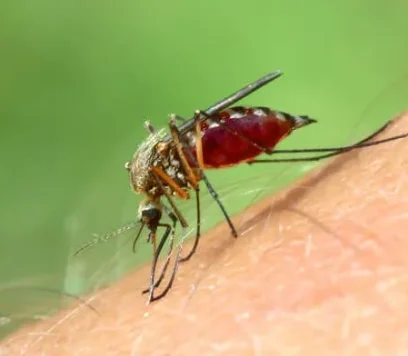
Professional help is especially important if the colony is active inside an insulated wall, soffit, chimney, or roofline. In Hamilton, older brick homes often have small gaps around mortar joints, vents, or additions. Heritage homes and commercial buildings downtown may also have aged trim, hidden cavities, and unstable access areas that complicate removal. These conditions heighten property risk and make DIY work unsafe.
Businesses should also call a professional quickly if bees are affecting entrances, patios, loading docks, or customer areas. For restaurants, storefronts, and office buildings, fast action helps maintain operations while using a pollinator-friendly approach. A qualified team can recommend licensed pest control methods that respect local ecology and reduce disruption.
If bees are calm, visible, and accessible, a beekeeper may help. If they are inside walls, ceilings, or roof spaces, you need a professional assessment before any removal begins.
What should I do before a bee removal service arrives?
Before the visit arrives, the most important step is to steer clear of pesticides. Spraying can cause the colony defensive, complicate the removal of the nest, and reduce the chance of successful live removal or bee relocation. It can also harm helpful insects and make the area less safe for people and pets.
Next, keep distance from the nest or swarm and leave children and pets away. If the bees are around windows or doors, close windows and limit movement near the area to reduce agitation. If possible, note the spot so the technician can find the exact spot quickly, especially if the nest is near an attic vent, soffit, or foundation crack.
It helps to note when you first saw the bees, whether they are entering one point, and whether the activity seems stronger at certain times of day. These details help with assessment, recognition, and planning the right prevention and relocation process.
How do professionals relocate bees securely?
Expert bee relocation is about controlling the colony without killing it. The process often begins with a detailed inspection to identify the nest location and the level of activity. Once the access point and cavity are understood, the technician may use vacuum extraction to carefully collect the bees without crushing them.
The collected bees are then transferred to a hive box or suitable container for colony relocation. The aim is to preserve the queen bee, the workers, and as much of the colony as possible. A beekeeper may take over at this stage, especially if the bees are healthy and can be rehomed safely.

In some cases, wax and comb must also be removed from the cavity. That part is crucial because leftover comb can attract new swarms, pests, or moisture problems. After the colony is gone, the open space should be addressed with proper sealing so the same problem does not return. This is where exclusion methods and careful repair work are critical to prevent re-infestation.
Specialists who specialize in safe bee control understand how to work in a pollinator-safe and environmentally friendly way while still protecting the building. That balance is especially valuable in Hamilton, where many neighbourhoods border green space, ravines, and gardens.
How do I stop bees from coming back?
Long-term prevention starts with property upkeep. Because bees often enter through tiny cracks, a thorough exterior check is essential. Use caulking around cracks and joints, and repair or repair protective screens over vents where appropriate. Check soffits, fascia, siding transitions, utility penetrations, and any damage near the roofline or foundation.
After a removal, all former access spots should be completely closed off once the colony has been removed. If a cavity has been used previously, confirm that it is truly empty before shutting it. Carefully addressed sealed openings and sealed voids lower the chance that another colony will move in later.
It also helps to cut down on things that attract pests around the home or workplace. Keep trash bins shut, clean away sweet messes, and remove standing water or spoiled fruit. Blooming plants are usually not the problem, but heavy blossoms close to entry points can increase bee presence. In Hamilton, where many residents maintain beautiful gardens, the key is to reduce attractants without harming pollinating insects.
Regular annual reviews are valuable for residential properties and commercial properties alike. A early-season and late summer review can spot early signs of activity before a small problem becomes a larger one. This forward-thinking approach is one of the most effective exclusion methods for long-term control.
Which local factors in Hamilton affect bee control?
Several local factors affect bee activity in Hamilton, ON. Hamilton’s closeness to the Niagara Escarpment and its web of parks, trails, ravines, and natural areas provide strong foraging corridors. These spaces help maintain healthy bee populations, but they also mean homes near green space may see more bees around patios, sheds, soffits, and vents.
Urban gardens are also a major influence. Many Hamilton neighbourhoods have bee-friendly plantings, backyard gardens, and flowering hedges that attract bees across the warm months. Near Lake Ontario, softer conditions and the city’s milder microclimates can lengthen seasonal activity in some neighbourhoods, keeping bees active longer than homeowners expect.
Local building styles and features matter too. Historic brick homes, downtown storefronts, infill housing, and heritage properties often contain wall voids, attic gaps, soffits, and aging trim that become easy entry points. In commercial areas, deliveries, foot traffic, and exposed exterior details can make bee issues more noticeable and more troublesome.
For that reason, bee control in Hamilton should not be standard. The right response depends on the neighbourhood, the building type, the nest location, and how the colony interacts with the property. A local local approach supports both public comfort and pollinator protection.
Frequently Asked Questions: Bee control and hive-safe removal in Hamilton
Can bees be removed without harming the hive?
Certainly. In many cases, bees can be removed through live removal and bee relocation so the colony survives. The best results come from a careful inspection, proper identification, and a trained beekeeper or licensed pest control provider using pollinator-safe methods. If the bees are in a wall or roof cavity, the technician may use vacuum extraction and transfer the colony into a hive box.
How do I know if the insects are bees or wasps?
Look at shape, behaviour, and where they nest. Bees are usually fuzzier and less streamlined than wasps, hornets, and yellow jackets. Bees often gather pollen and may form a visible bee hive or swarm, while wasps and hornets are more likely to build paper-like nests or use hidden cavities. If you are unsure, request a professional identification and inspection.
Is bee removal legal or regulated in Hamilton, ON?
Bee control is not usually handled the same way as destructive extermination, because pollinator protection is important. In Hamilton, ON, many property owners choose humane methods and involve a beekeeper or licensed pest control provider for safe, compliant removal. If the colony is protected or can be salvaged, colony protection and hive preservation are the preferred outcomes.
What do I need to do if bees are in my wall or attic?
Do not seal the opening immediately or spray chemicals. If bees are in a wall or attic, there may be a hidden infestation that requires proper equipment and expertise. Stay clear from the area, note the nest site, and book a professional assessment. The technician can determine whether live extraction, bee transfer, and later entry blocking are the safest steps.
How do I deter bees without using harmful pesticides?
Use exclusion and ongoing upkeep instead of sprays. That means sealing gaps, fixing or adding mesh barriers, checking access points, and removing food sources around the property. After a professional removes the bees, make sure any sealed openings or sealed cavities are properly closed to avoid future infestation. These exclusion methods are both successful and bee-safe practices.